October 10, 2026
Why Does Your Power Journey When Numerous Home Appliances Run Together?
By @trevorxcqf455
When several home appliances fused, your power trips as a result of circuit overloads. This happens when the overall wattage of gadgets goes beyond the circuit tons capability, causing breakers to trip for security. Faulty circuitry, loose links, or dampness can intensify the trouble, resulting in ground faults. Additionally, high-draw appliances like space heating systems and ac unit considerably add to overloads. Recognizing these elements can assist you prevent trips and handle your power usage effectively. More details comply with.

Takeaways
- Power journeys occur when circuit lots surpasses capacity because of several high-draw devices running simultaneously.
- Loose links and harmed circuitry rise resistance, resulting in overheating and tripping breakers.
- Ground faults from dampness or damaged electrical wiring can trigger power to get away, triggering journeys.
- Voltage goes down when several appliances operate concurrently, bring about ineffective performance and prospective damages.
- Regular upkeep and load management can protect against trips by guaranteeing optimum circuit efficiency and home appliance distribution.
Typical Reasons For Power Journeys
When numerous home appliances kick right into equipment simultaneously, power trips can frequently happen because of numerous underlying aspects. One substantial cause is loose connections within your electric system. These connections can produce resistance, resulting in overheating and ultimate tripping of the breaker. An additional common perpetrator is ground faults, which happen when power leaves its desired course, often due to harmed electrical wiring or moisture. This scenario can set off a breaker to avoid possible hazards. Both loosened links and ground faults endanger your electrical safety and security, causing unexpected interruptions. To alleviate these problems, regular assessments and upkeep of your electrical system are crucial. Ensuring your wiring is protected and devoid of damages can substantially minimize the chance of power journeys when utilizing multiple devices.
Just how Your Home's Wiring Affects Power Usage
Your home's circuitry plays an important function in determining exactly how effectively power is utilized. The circuit lots capacity dictates the number of devices can run all at once without tripping the breaker, while voltage drop can lead to minimized efficiency for devices. Recognizing these aspects aids you manage your energy intake effectively.
Circuit Load Capacity
Recognizing circuit load ability is crucial for taking care of power usage effectively in your home. When numerous home appliances run all at once, the overall tons can exceed your system's ability, triggering power journeys. Right here are three vital aspects to keep in mind:
- Breaker Capacity: Each circuit breaker has a specific amperage restriction. Exceeding this can journey the breaker, disrupting power circulation.
- Tons Harmonizing: Dispersing home appliances across various circuits makes certain no single circuit is strained, boosting total performance.
- Electrical wiring Problems: Improperly preserved or dated wiring can minimize the efficient tons ability, increasing the threat of tripping.
Voltage Decline Impact
Although several house owners ignore it, voltage drop plays a substantial function in exactly how efficiently power is supplied throughout your home. When multiple devices run concurrently, you may experience voltage droop, where the voltage level reduces due to increased load. This droop can cause ineffective appliance performance and possible damages with time. The electrical wiring in your home adds to this problem; longer wires and poor scale can worsen voltage decrease. To mitigate these results, drop compensation methods, such as utilizing thicker wiring or reducing the range in between the power source and the appliances, can be employed. By understanding and dealing with voltage drop, you can boost energy efficiency and extend the life expectancy of your tools, inevitably improving overall power usage.
What Does a Circuit Overload Mean for You?
When numerous devices attract power at the same time, a circuit overload can happen, causing potential safety and security risks. Understanding the implications of this can assist you keep electric safety and security in your home. Below's what you must recognize:
- Tripped Breakers: An overload typically creates circuit breakers to journey, cutting off power to avoid damages.
- Warmth Generation: Too much current can create warmth, taking the chance of insulation damage and boosting fire hazards.
- Lots Balancing Significance: Appropriately stabilizing your electric load guarantees that no solitary circuit is overwhelmed, advertising efficient power usage.
Overall Home Appliance Wattage: What You Required to Know
To successfully manage your electric usage, understanding the total power level of your appliances is crucial. Each device you make use of takes in a particular quantity of power, and when several run all at once, it can exceed your circuit's capability. Conducting an energy audit helps you determine the electrical power of each device, enabling you to determine your total tons. This understanding is vital for efficient load balancing, making sure that no single circuit ends up being overloaded. Take into consideration the startup power level of devices like refrigerators or air conditioners, which can be markedly higher than their running electrical power. By understanding these numbers, you can tactically disperse your device use, avoiding power journeys and keeping a steady electrical system in your home.
Typical Home Appliances That Trip Circuits
Comprehending the total electrical power of your appliances is only component of the formula; recognizing which appliances are more probable to trip circuits is just as important. Some common offenders can considerably influence your electrical system.
- Space Heaters: These can draw a considerable amount of power, usually going beyond 1,500 watts, specifically when working on high setups.
- Home Window Air Conditioners: Usually varying from 1,000 to 2,500 watts, these units can overload circuits, especially throughout height use.
- Big Cooking Area Devices: Things like microwaves and dishwashing machines can likewise take in marked power, adding to circuit overloads.
Practical Tips to avoid Power Trips
To stop power journeys, you should limit the variety of home appliances running concurrently on the exact same circuit. Additionally, consider upgrading your breaker to fit greater lots. These actions can considerably boost your electric system's dependability and efficiency.
Limit Device Usage
While it may be tempting to run several devices concurrently, doing so can quickly overwhelm your electric system and lead to power journeys. To stop this, consider carrying out efficient methods for load balancing and staggered organizing. Right here are three sensible pointers:
- Focus on Usage: Identify high-power devices and use them one at a time. This reduces the total load on your circuit.
- Produce a Schedule: Startle your device use throughout the day. As an example, run the dish washer while the laundry remains in between cycles.
- Display Receptacles: Frequently examine sockets tons to ensure they're not overloaded. This helps keep a secure electric atmosphere.
Upgrade Circuit Breakers
Overwhelming circuits, despite careful home appliance monitoring, can still result in power journeys. Upgrading your breaker is a practical remedy to this problem. First, take into consideration panel substitute if your present arrangement can't deal with the load. Older panels typically have reduced capability, making them vulnerable to overwhelming. Next off, concentrate on breaker sizing; make certain each breaker matches the load needs of the appliances it offers. An appropriately sized breaker lowers the risk of stumbling while giving adequate defense. Consulting with a licensed electrical expert can aid you assess your existing system and advise essential upgrades. By addressing both panel and breaker sizing, you'll enhance your circuit's reliability and minimize the probability of power journeys.
When to Call an Electrical Expert for Power Trips
Experiencing constant power trips can signal underlying electrical issues that require expert interest. It's important to understand when to call an electrical contractor. Here are three situations to bear in mind:
- Repetitive Power Trips: If the exact same circuit continually trips, it might suggest an overloaded circuit or defective wiring that requires an electric examination.
- Burning Scents or Staining: Any uncommon smells or staining around receptacles can indicate overheating, necessitating prompt specialist intervention.
- Breaker Replacement: If your breakers are old or often stumbling, they might be put on out and call for substitute to guarantee safety and capability.
Addressing these issues without delay can avoid additional electrical problems and boost safety in your home.
Understanding Circuit Breakers and Their Duty
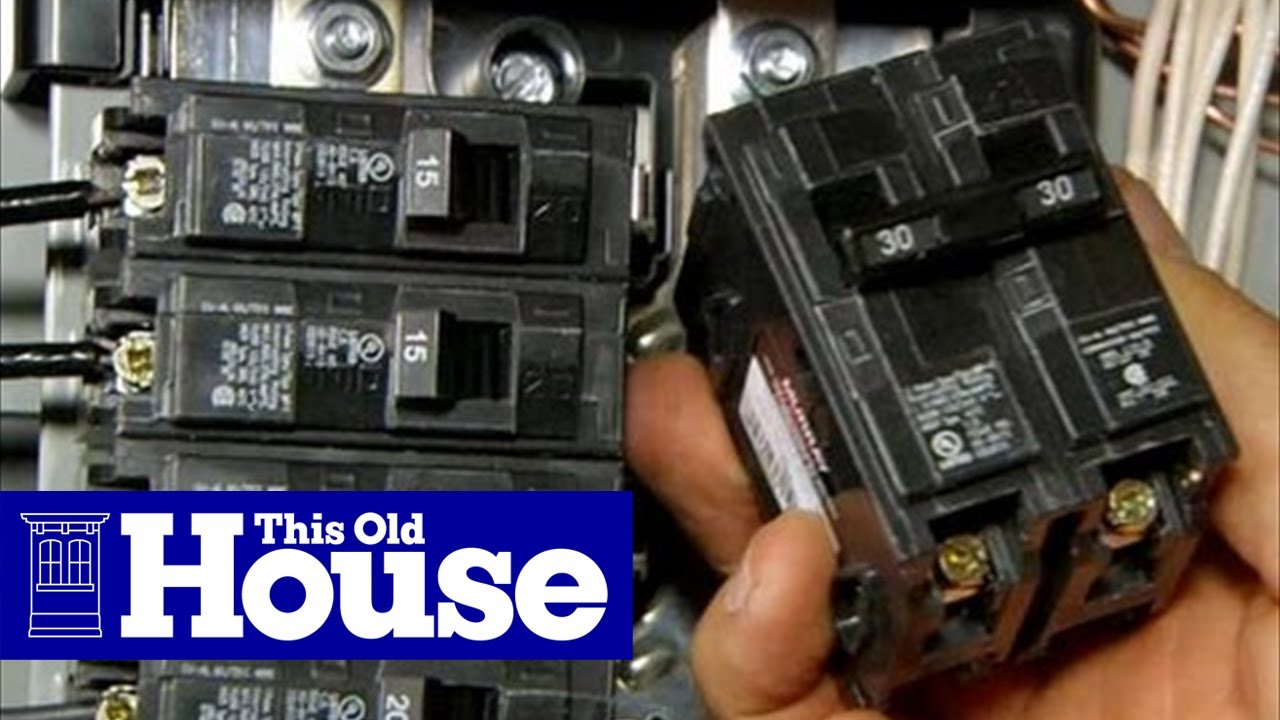
Breaker play a crucial function in your house's electrical system, as they shield against overloads and short circuits. When multiple appliances run at the same time, the need for current can exceed the circuit's ability, creating the breaker to trip. This action interrupts the circulation of electrical energy, protecting against prospective damages to devices and reducing fire risks. Routine breaker upkeep is vital for making certain peak efficiency; dust and rust can impede capability. Conducting trip testing can assist confirm that your breakers respond appropriately to overload problems. If you discover regular journeys, it might show an underlying issue that calls for attention. Recognizing these components will aid you manage your home's electric safety and security effectively.
Often Asked Questions
Can Power Trips Damages My Appliances?
Yes, power journeys can definitely harm your home appliances. When your system overloads, it creates voltage fluctuations that can bring about device deterioration, like an unrelenting storm battering your electronics. Without appropriate surge defense, delicate parts may endure incurable injury. It's vital to monitor your power usage and buy trustworthy surge protectors to guard your tools versus unforeseen spikes and guarantee their long life in your home.
Exactly How Can I Tell if My Circuit Breaker Is Faulty?
To tell if your circuit breaker is defective, check for a tripping indicator. If it journeys regularly, it might indicate breaker wear or interior deterioration. Search for signs of thermal degradation, like staining or cracks in the housing. You can likewise test the breaker's performance with a multimeter. If you notice persistent problems in spite of correct lots management, it's important to get in touch with an expert for more evaluation or substitute.
Does Weather Affect Power Trips in My Home?
Absolutely, weather condition can impact power journeys in your house. Seasonal surges, similar to a tidal wave, can overwhelm circuits, specifically during height use times. High moisture impacts can also play a duty; dampness can rust links and create short circuits, potentially bring about breaker trips. So, when storms roll in or summer season warm cranks up, maintain an eye on electrician ditton your devices-- they might just be the canaries in your electric coal mine.
Are Some Houses Even More Prone to Power Trips Than Others?
Yes, some homes are a lot more prone to power trips than others. If your home has older electrical wiring, it may not take care of the lots of numerous appliances efficiently, leading to frequent tripping. In addition, the panel capacity plays an important role; if it's poor for your electric demands, you'll likely electrician ditton experience even more interruptions. It's necessary to examine both your electrical wiring and panel capability to reduce the threat of power trips in your home.
How Can I Identify Hidden Electrical Problems Causing Journeys?
To identify hidden electric concerns triggering journeys, begin by checking for loose connections in receptacles and joint boxes. These can lead to arcing and recurring failings. Next, analyze your neutral wires; an overloaded neutral can trip your circuit. Use a multimeter to determine voltage levels and examine for unequal lots throughout circuits. Do not neglect signs like flickering lights or burning smells, as these can suggest significant issues requiring instant interest.
❧